
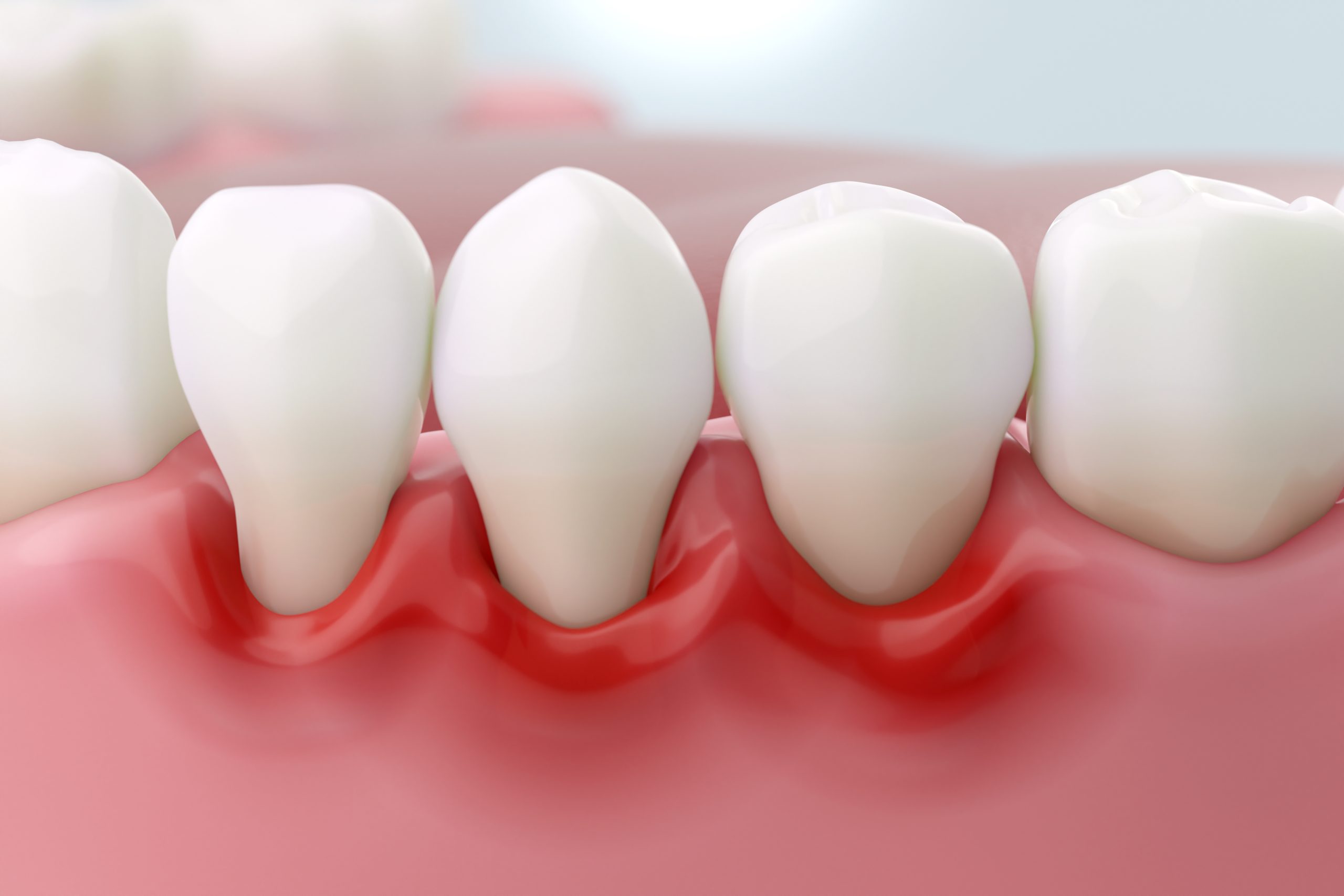
Could the small changes in your mouth right now be telling you something important about your gums? Gum disease tends to develop quietly, often without the dramatic symptoms patients expect from a serious oral health issue. The warning signs of gum disease are usually mild at first, easy to dismiss, and rarely painful until the condition has progressed. Recognizing the patterns early gives you the best shot at handling it with simple periodontal care rather than something more involved. Knowing exactly what to watch for is the first step.
Key Takeaways
- Gum disease is one of the most common dental conditions and often develops without obvious symptoms.
- Early-stage gum disease, called gingivitis, is usually reversible with prompt care.
- Bleeding gums, persistent bad breath, and gum recession are some of the clearest warning signs.
- Untreated gum disease can lead to bone loss and eventual tooth loss.
- Routine dental visits and good home care are the most reliable defense.
Why Gum Disease Is So Easy to Miss
Most people expect a major dental problem to come with major pain. Gum disease does not work that way. The early stages can sit quietly for months or even years before the symptoms become impossible to ignore. By that point, the condition has often advanced from reversible gingivitis to a more serious form called periodontitis, which can permanently damage the bone and tissue that support your teeth.
This is exactly why dentists are so attentive to early signs during routine cleanings. Patients across the South Bay who keep up with regular checkups give their dental team the best chance of catching gum disease in its most treatable phase.
1. Bleeding When You Brush or Floss
Healthy gums do not bleed during normal brushing or flossing. Many patients assume that a little pink in the sink is just a sign they brushed too hard, but bleeding is one of the most consistent early indicators that something is off. The blood usually traces back to inflammation in the gum tissue caused by bacteria that have built up along the gumline.
Pay attention to whether the bleeding happens every time, in specific spots, or only when you have not flossed in a while. Each of these patterns tells your dentist something useful about what is going on under the surface.
2. Red, Swollen, or Tender Gums
Healthy gum tissue is firm, pink, and snug against the teeth. When gum disease begins to set in, the tissue often becomes redder, slightly puffy, and tender to the touch. You might notice the change while brushing, eating, or even just running your tongue along the inside of your mouth.
This kind of tenderness is easy to brush off as a temporary irritation, especially if it goes away for a few days before returning. The pattern, however, is exactly what early gum inflammation looks like, and it deserves attention before it becomes a deeper issue.
3. Persistent Bad Breath That Will Not Go Away
Occasional bad breath is normal, especially after certain foods or in the morning. Bad breath that lingers all day, even after brushing, is something different. Persistent halitosis is often caused by the bacteria that drive gum disease, which produce sulfur compounds as they multiply along the gumline.
Mouthwash can mask the smell for a short time, but it does not address the underlying cause. If your bad breath keeps coming back no matter what you try, your gums are usually where to look next.
4. Gum Recession or Teeth That Look Longer
Gum recession happens when the tissue around the teeth pulls back, exposing more of the tooth or even part of the root. The result is teeth that look slightly longer than they used to, often with increased sensitivity to hot, cold, or sweet foods. Recession can be subtle at first, so it often goes unnoticed until a patient compares old photos or has a dentist point it out.
Recession is not always caused by gum disease. Aggressive brushing, grinding, and natural changes over the years can also play a role. Either way, the change deserves an evaluation, since the underlying cause needs to be addressed to keep it from progressing.
5. Loose Teeth or a Bite That Feels Different
A tooth that suddenly feels loose, shifts position, or changes how your bite comes together is a signal you should never ignore. Adult teeth should be firmly anchored, and any noticeable movement usually points to bone loss caused by advanced gum disease. You may also notice food getting stuck in new spots or the way your teeth meet when you chew, feeling different from before.
This is the stage where prompt care matters most. The goal at this point is to stabilize the situation and prevent further loss, and the sooner that work begins, the better the outcome tends to be.
Catching It Early Changes Everything
Gum disease is one of those conditions where small changes in awareness lead to big differences in outcome. The warning signs of gum disease are easy to spot once you know what to look for, and acting on them quickly almost always means simpler, more conservative treatment. A short conversation with your dentist or hygienist and consistent periodontal care can take a worrying set of symptoms and put them firmly back on track.
- If you want to learn more about caring for your gums, visit our Periodontal Care in Gardena, CA, page to schedule a consultation.